

In the era of Industry 4.0, the connection between universities and enterprises plays a pivotal role in training high-quality human resources and fostering technological innovation.
To realise this vision, PNC TECH has launched a University–Industry Collaboration Program with the goal of linking education with real-world practice, co-developing technology solutions, and creating career opportunities for engineering students. This is one of PNC TECH’s core strategies in building an open technology ecosystem and pursuing sustainable development.
Objectives of the University–Industry Collaboration Program

PNC TECH has identified three key objectives for the program:
- Connecting training with industrial practice
Through internships, engineering projects, and specialized training courses, students gain direct exposure to industrial production environments. This enables them to better understand business needs while staying updated with the latest technologies. - Developing high-quality technical talent
PNC TECH prioritizes selecting and nurturing potential students from early stages. The program aims to train a new generation of engineers capable of working independently, mastering advanced technologies, and integrating into the global workforce. - Collaborating in technological innovation and applied research
The company partners with universities in applied research projects in robotics, automation, industrial image processing, and intelligent warehouse management (WMS). The objective is to turn innovative ideas into practical technology solutions for enterprises.
Target Partners
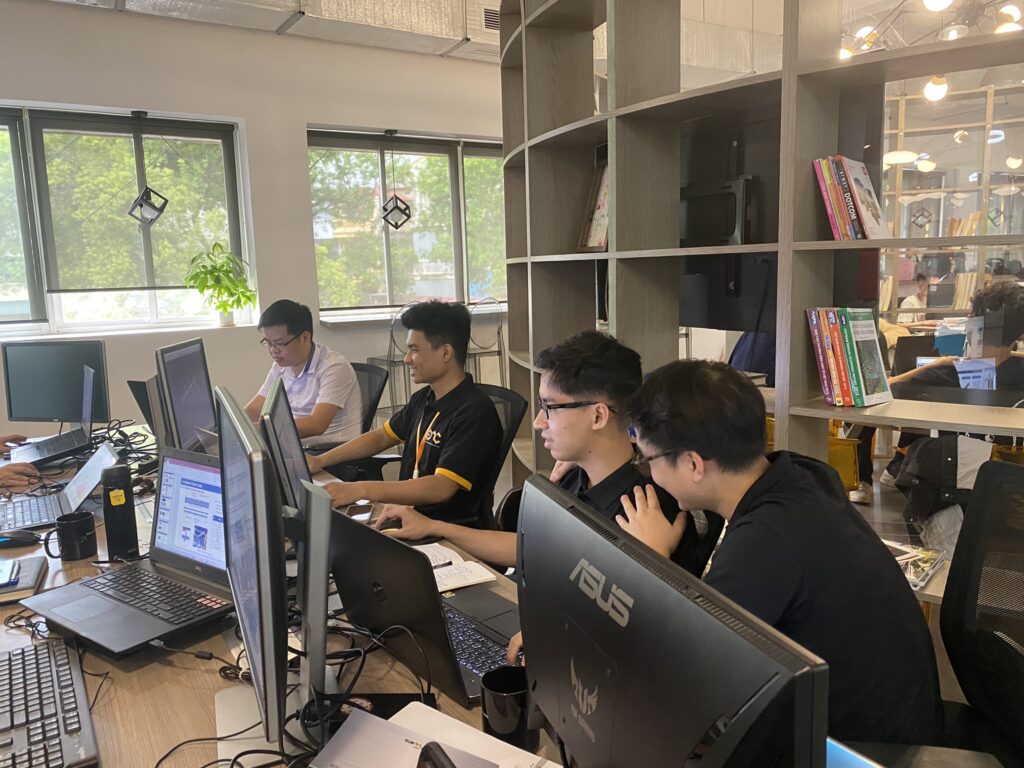
PNC TECH’s University–Industry Collaboration Program aims to build sustainable relationships with:
- Technical universities in Vietnam and abroad
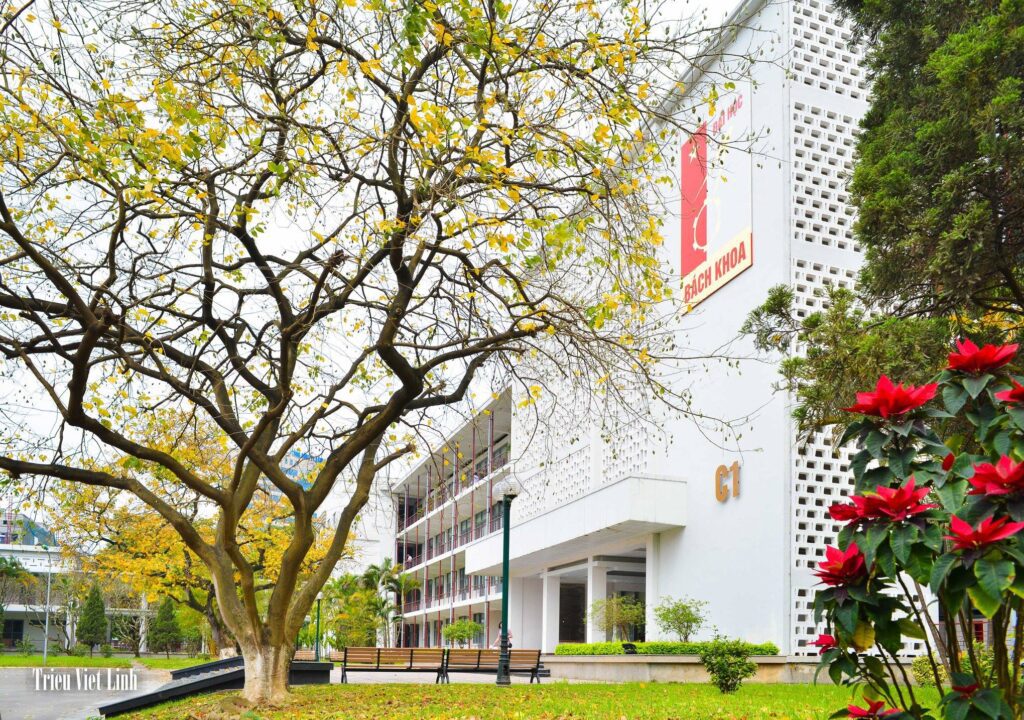
Priority is given to universities strong in mechanical engineering, electrical–electronic engineering, automation, and information technology. Hanoi University of Science and Technology (HUST) has been a strategic partner since PNC TECH’s early days, with successful collaborations in internships, recruitment, and applied research. - Students of Mechanical Engineering, Mechatronics, Automation, and IT
Including 3rd–4th year students, graduate students, and faculty members. They form the core workforce for internships, training, research, and technology transfer, as well as a potential talent pool for PNC TECH’s future workforce.
Key Forms of Collaboration
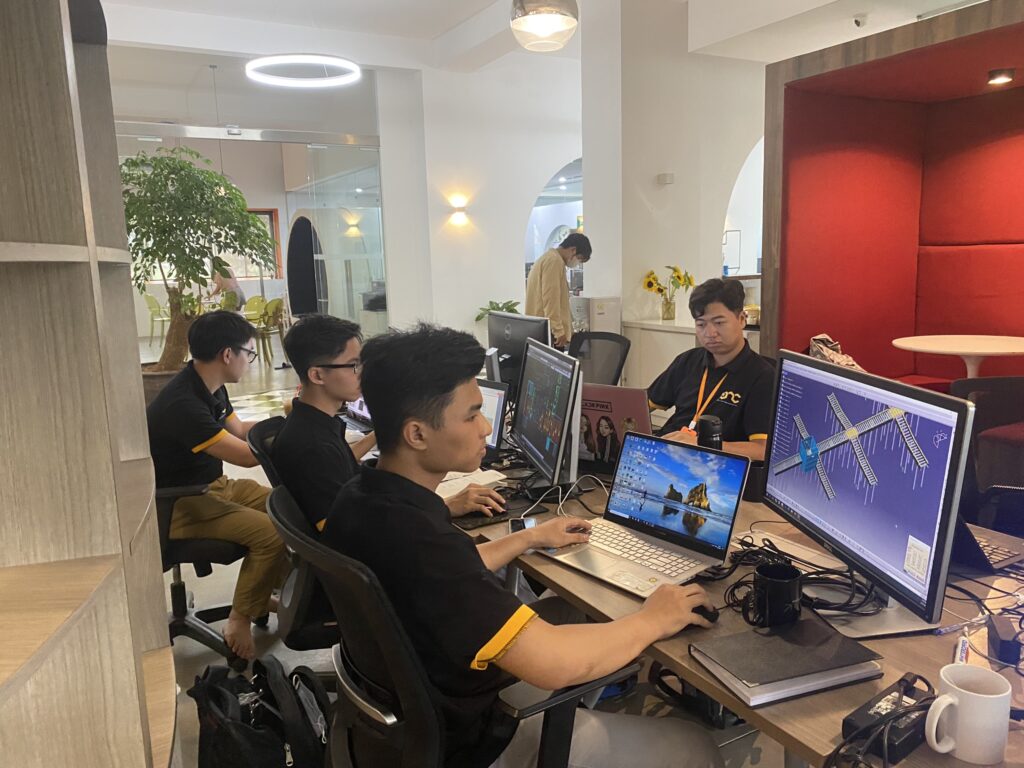
- Recruitment & Internships
PNC TECH hosts students, especially final-year students, for internships in ongoing industrial projects. The process is structured, with direct mentorship from company engineers, focusing on practical technical areas such as system integration, robot operation, and mechanical–electrical design.
Preference is given to hiring students who have previously interned or participated in projects with PNC TECH, as they are familiar with real-world operations and can quickly adapt to the company’s system. - Joint Research and Practical Training
In collaboration with faculty and students, PNC TECH develops applied research projects in industrial robotics, automated production lines, image processing, WMS software, and smart manufacturing systems. The company provides funding, technical support, and facilities to ensure research outcomes meet real industrial demands.
In addition, seminars, workshops, guest lectures, and thesis supervision are regularly organized to update emerging technologies and enhance the practical relevance of academic programs. - Capacity Development for Faculty & Students
Beyond supporting students, the program also provides opportunities for university lecturers and research groups to visit and learn from PNC TECH’s international projects in countries such as Japan, the UK, and Singapore.
A 1-on-1 mentoring program between PNC TECH engineers and students is also implemented to enhance professional skills, project management mindset, and practical career orientation.
Benefits of the University–Industry Program
- For Universities
Collaborating with PNC TECH aligns training programs with industry practice, enhances teaching quality, and strengthens faculty expertise in emerging technologies. The partnership also reinforces institutional reputation and expands opportunities in technology transfer. - For Students
Students gain first-hand experience in real-world projects during their studies, which significantly improves professional skills, problem-solving abilities, and adaptability in industrial environments.
Beyond technical expertise, students also develop soft skills such as teamwork, technical presentation, time management, and business communication.
A Key Partner: Hanoi University of Science and Technology (HUST)
HUST has been PNC TECH’s first and strategic academic partner since the company’s foundation. This collaboration has become a model for university–industry partnerships in engineering and technology.
PNC TECH has recruited many HUST graduates in Mechanical Engineering, Automation, and IT, who now form the backbone of its high-tech projects in Vietnam and abroad. Notably, many HUST students who interned at PNC TECH have directly contributed to real-world projects with major partners such as VinFast, Honda, LG Innotek, and Stanley Lighting.
Looking Ahead
In the future, PNC TECH aims to establish itself as a benchmark model for university–industry collaboration in Industry 4.0, contributing to Vietnam’s industrial modernization and strengthening the nation’s technological competitiveness in the global value chain.

Learn more about our services:
📞 Hotline: (+84) 919 247 843
✉️ Email: sales@pnctech.vn
🔗 Website: pnctech.vn